In the hotel business, the first impression is not the smile of the receptionist or the design of the lobby. This is how fast, convenient and safe the check-in procedure is. Identification, data verification, filling out a questionnaire, and signing each of these stages affect not only the perception of the service, but also the real indicators of the hotel: reputation, level of trust, operational risks, and using management software solutions technology.
The current reality is that manual registration is not only outdated but also poses a direct security threat. According to statistics, up to 70% of fraud cases in hotels are related to the moment of check in – when staff visually check documents without technical support. This is a risk that can and should be eliminated by using business intelligence software solutions technology.
Why is Security Not an Option, But a Necessity?
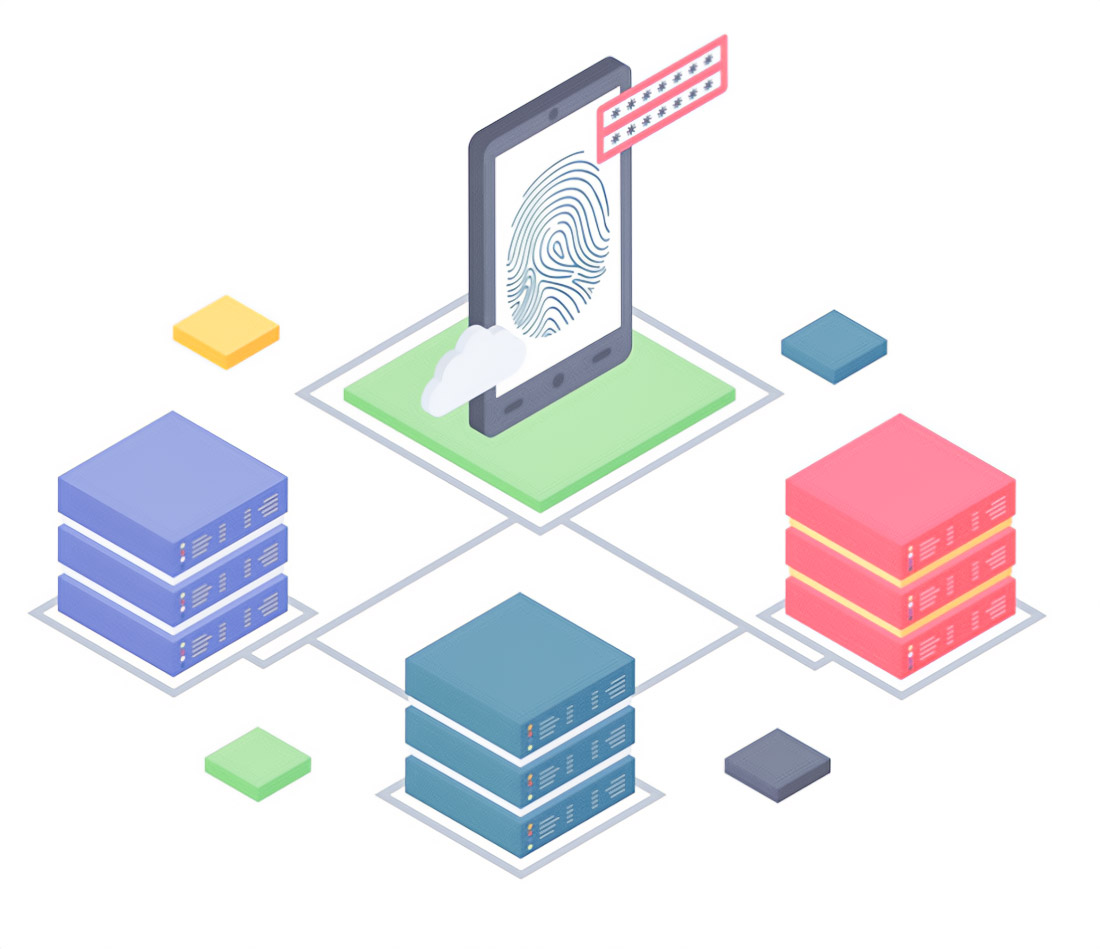
In the era of forged passports, fake ID cards and data leaks, reliable identification of guests is becoming the foundation of trust. Modern systems check the MRZ (machine-readable zone) on documents, compare checksums, use verification algorithms and, in case of doubt, automatically initiate additional checks using business software management technology.
Biometric authentication complements the system, a scan of a face or fingerprint allows you to confirm that the document belongs to the bearer. This is especially true for contactless scenarios: for example, when using a mobile key or when checking in through a self-registration kiosk. The accuracy of such solutions exceeds 98%, and the check-in procedure takes less than 40 seconds using mobile check in hotels technology.
All this reduces queues, unloads staff, and reduces the likelihood of human error using hotels with mobile check-in technology.
Personal Data is Protected

Any operation with identity cards requires not just technical processing, but compliance with standards. GDPR dictates strict rules: data must be encrypted, access must be restricted by roles, actions must be recorded in the audit log, and user consent must be obtained and saved using mobile check in technology.
Registration systems that support these requirements automatically notify guests of the privacy policy, collect a digital signature, and document consent. All information is transmitted to the PMS (hotel management system) via secure channels, most often through TLS encryption. If the data retention period expires, they are automatically deleted or anonymized using the hotel check in software technology.
Access control is implemented at the interface level: the administrator sees only necessary information, the manager receives only analytical information, and the IT service receives a technical log.
Why is it Profitable?

81% of guests admit that security during check-in affects their overall impression of the hotel. This is not an abstract indicator, it is a factor that directly affects NPS, repeat bookings and reviews using the hotel digital key technology.
Smart identification allows you to:
- Reduce fraud related to forged documents.
- Automate the verification of visas and ID validity periods.
- Speed up check in – less than 40 seconds versus 4-6 minutes manually.
- Improve accuracy – OCR and biometrics eliminate input errors.
- Comply with legal regulations, including KYC and AML, using the hotel mobile check in app technology.
More than 60% of hotels have already implemented or are testing such systems. Some have achieved a 75% reduction in unauthorized access to rooms. Automated verification reduces the risk of error by 92%. This is not just an investment in comfort; it is a contribution to reputation and protection using the iPad hotel check-in technology.
Self-Registration and Control at The Entrance
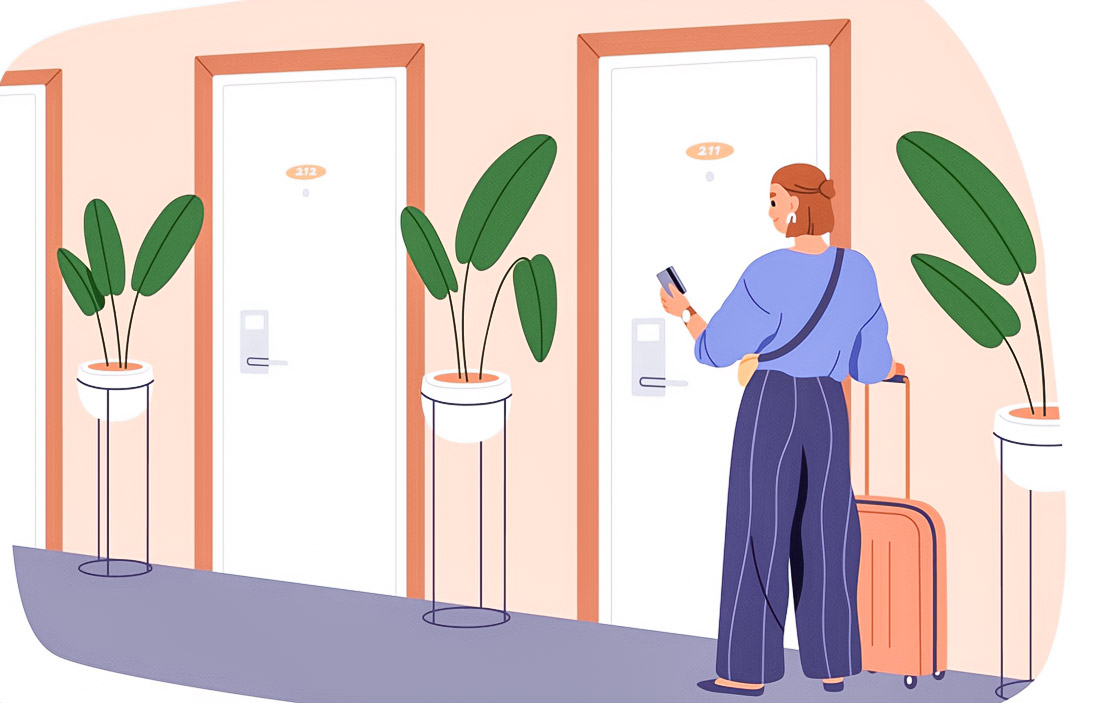
Check-in kiosks are becoming an integral part of the infrastructure, using portable check-in technology. They allow the guest to go through all the stages of check-in without the participation of staff: scan an ID document, confirm identity, sign consent, get a room number and a mobile key.
Such kiosks operate 24/7, do not require shifts and are almost not prone to failures. They are integrated with PMS, using document scanners, biometric modules and a compliance control mechanism.
In case of suspicious activity, the system automatically notifies the administrator. Every action is recorded in the log. This increases the level of trust and, if necessary, allows you to restore the full picture of interaction using contactless check in technology.
A Simple Choice, But a Strategic One

The hotel business increasingly relies on accuracy, speed, and security. Guest identification is not a technical detail, but a strategic priority. It affects perception, safety, and operational efficiency.
That is why the question “do we need automated document verification” is no longer worth it. The right question is when you will implement it and how quickly you will feel the effect using contactless check in technology.

I am an award-winning freelance writer specializing in financial topics. Having more than a decade of work experience, I have published in The Wall Street Journal