
Many dog owners start searching for easy solutions to improve their pet’s condition when the heat starts. It seems logical to remove excess hair. However, double wool works quite differently than it might seem at first glance, and interference with its structure often leads to the opposite effect. This is why professional dog groomers often advise against shaving double-coated breeds.
How Double Wool Works and Why it is Needed
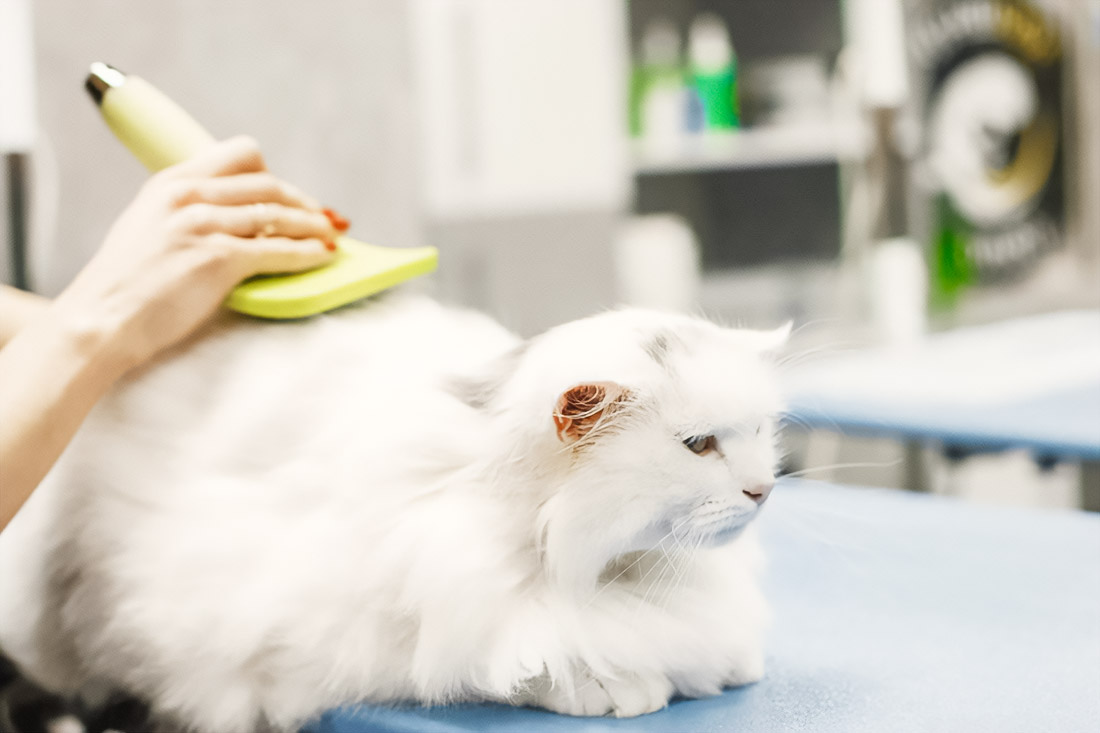
The two layers that make up double wool serve distinct purposes. The air is kept close to the skin by the silky, dense undercoat. The dog is shielded from both the cold and overheating by this layer’s inherent thermal insulation.
The outer hair is tougher and longer. It is in charge of shielding the skin from UV radiation, mechanical harm, and insect stings. Together, both layers create a system that regulates body temperature and maintains skin health.
Remarkably, moulting happens roughly twice a year. In order to improve air circulation and aid in seasonal adaptation, a portion of the undercoat is naturally lost during this time.
Why Thermoregulation is Disrupted by Shaving
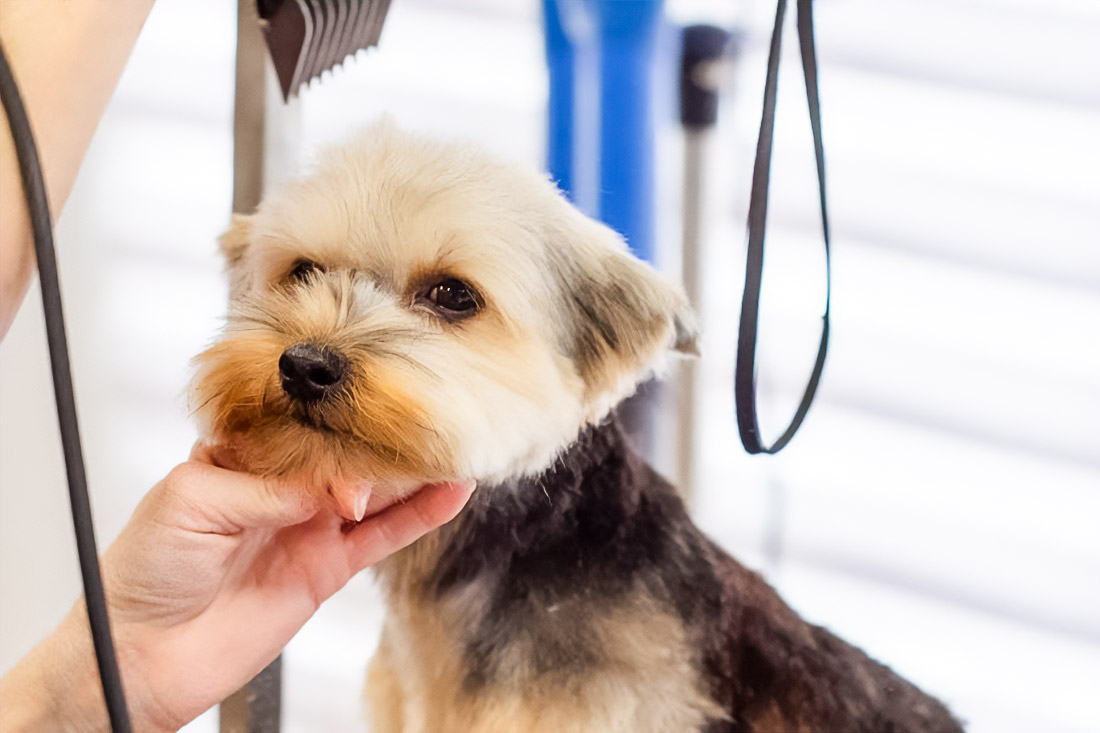
Dogs cool down differently than humans. The main cooling mechanism is related to breathing, rather than evaporation from the surface of the skin. Additionally, vasodilation works, that is, vasodilation, which helps to remove heat.
Sweat glands are present in dogs as well, although they are only found in the paw pads. They don’t contribute much to cooling. As a result, eliminating wool damages the protective layer rather than improving cooling.
Shaving off the coat leaves the skin of its natural defence. The sun’s rays begin to directly affect it. This increases the risk of overheating, rather than reducing it, as owners often assume.
What Happens to the Hair After a Haircut
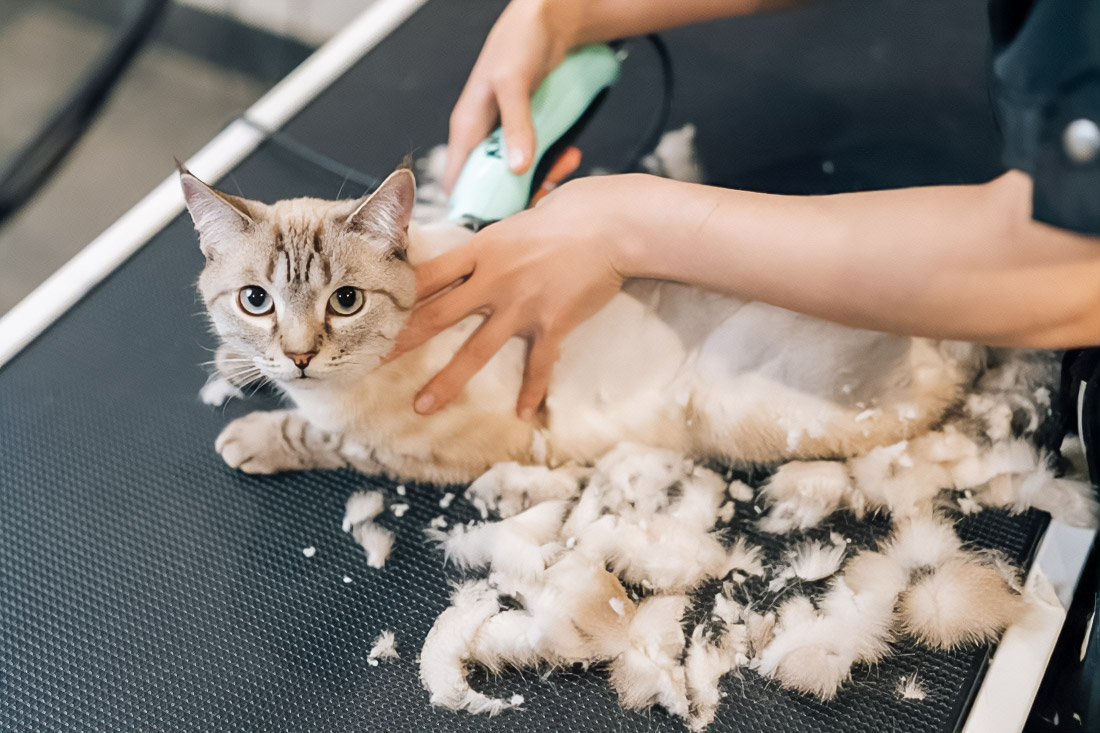
After shaving, the structure of the coat often changes. The undercoat begins to grow faster than the outer hair. This leads to uneven regrowth and texture changes.
The coat could get softer or rougher, depending on the situation. It may appear dull and lose colour. Sometimes the follicles are injured, which causes hair growth to slow down or stop completely, an issue frequently handled by professional dog groomers during coat recovery.
Recovery may take months. Sometimes the coat does not return to its original state at all. This creates additional problems in care and increases the risk of tangles.
Dangers to the Skin and Overall Health
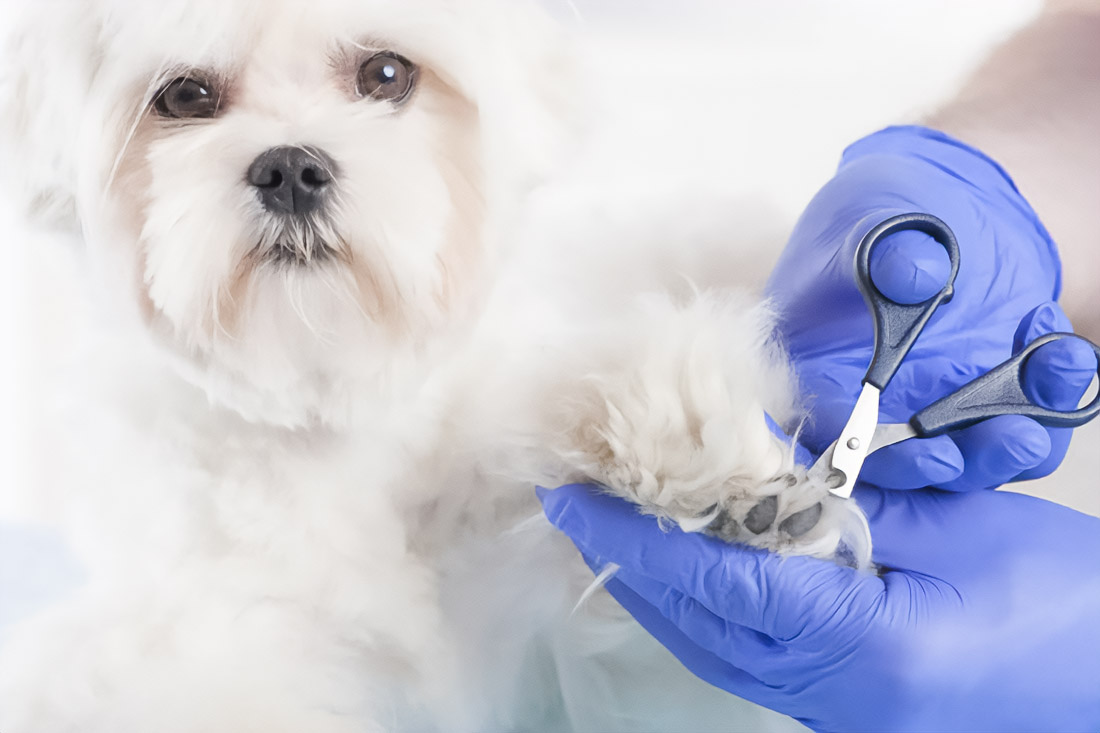
The skin is exposed in the absence of a wool protecting layer. Sunburn risk rises, particularly with extended sun exposure. It also increases the likelihood of irritation and infections.
Micro-injuries to the skin can lead to the development of bacterial inflammation. Additionally, the water-repellent function of wool disappears. This makes the dog more sensitive to moisture and temperature changes.
When a Haircut is Really Justified
There are situations where intervention is necessary. For example, with severe hair tangles, when combing is impossible without pain. Haircuts may also be required for skin conditions or before surgical procedures.
Sometimes it is given to elderly dogs to facilitate care. But even in such cases, it is not recommended to shave the coat completely. Usually, a length of half to one inch is left to preserve the protective properties.
How to Replace Shaving
Instead of drastic measures, it is better to use safe care methods. Regular combing helps to remove excess undercoat and improve air circulation. This reduces the risk of overheating without harming the structure of the coat.
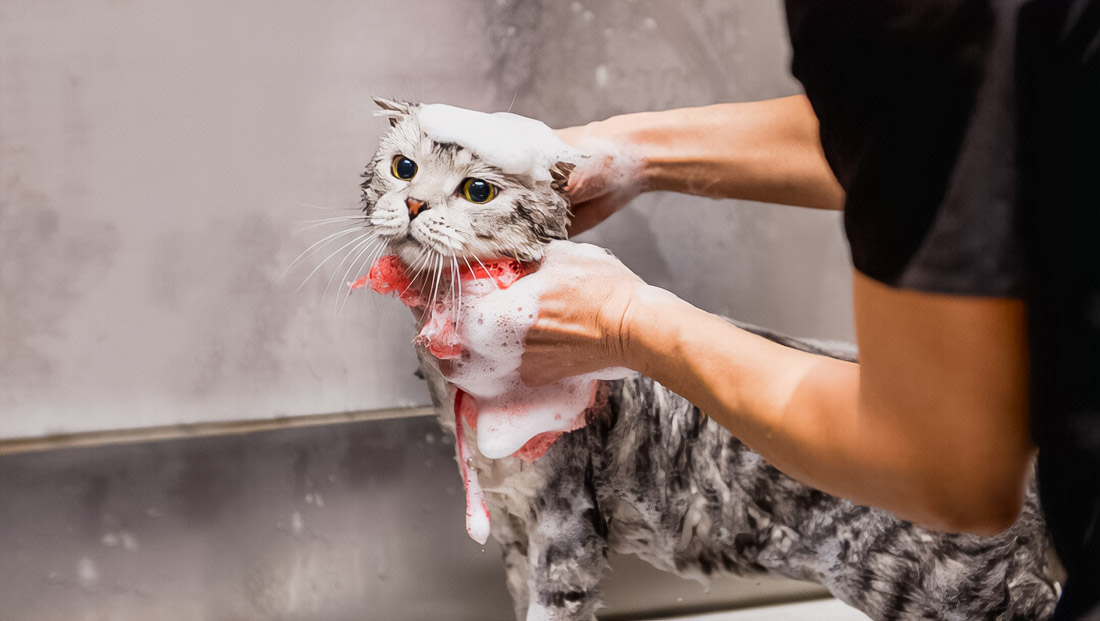
Hygienic grooming of individual areas is useful. For example, the paws and belly can be slightly trimmed to improve cooling. Regular bathing is also important, which cleanses the skin and removes impurities.
Do not forget about the conditions of detention. Fresh water, shade, and walking in the cool play a key role. These measures are often much more effective than shaving.
The Effect of Nutrition on the Condition of Wool
The quality of wool directly depends on nutrition. Omega-3 and omega-6 fatty acids support the skin barrier. Protein is essential for hair growth, and trace elements like zinc and copper affect pigmentation.
The lack of these substances worsens the condition of the coat. It becomes brittle and dull. Hydration is also important because even mild dehydration affects the skin and coat.
Double wool is a complex system, not just an outer layer. It regulates temperature, protects the skin, and helps the body adapt to environmental conditions.
Shaving destroys this system and creates new risks. It is much more reasonable to maintain the natural functions of wool through proper care, nutrition and conditions of maintenance. This approach ensures the comfort and health of the dog even in the most intense heat.

I am an award-winning freelance writer specializing in financial topics. Having more than a decade of work experience, I have published in The Wall Street Journal